Climate change is an urgent issue that has severe consequences for people around the world, including the phenomenon of climate refugees. Russia, despite its vast size and relatively low population density, is not immune to the impacts of climate change that drive displacement. As the effects of global warming become increasingly pronounced, it is crucial for international refugee organizations to collaborate with Russia to address the challenges faced by climate refugees.
Category : Climate Refugees in Russia | Sub Category : International Refugee Organizations and Russia Posted on 2025-02-02 21:24:53
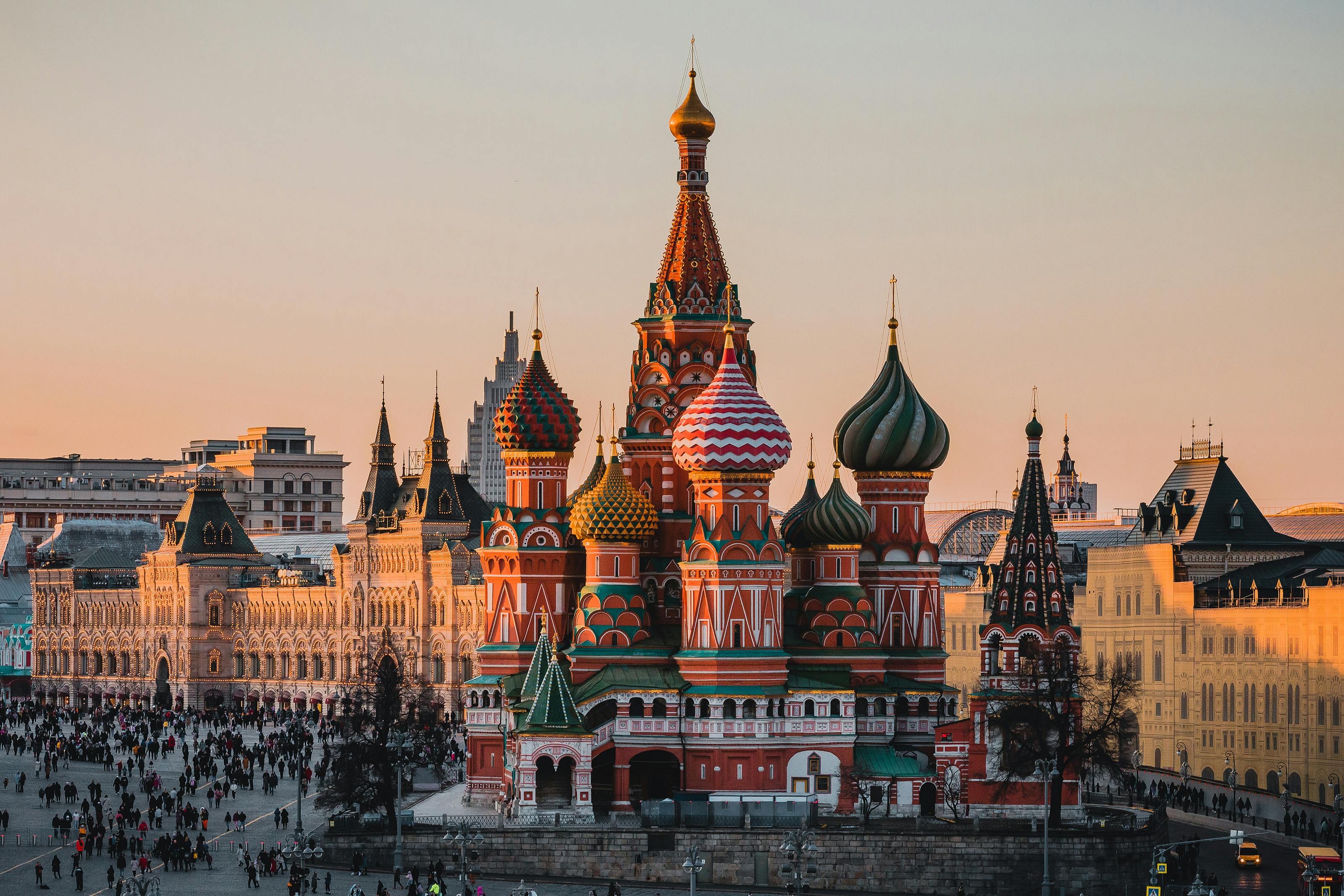
Climate change is an urgent issue that has severe consequences for people around the world, including the phenomenon of climate refugees. Russia, despite its vast size and relatively low population density, is not immune to the impacts of climate change that drive displacement. As the effects of global warming become increasingly pronounced, it is crucial for international refugee organizations to collaborate with Russia to address the challenges faced by climate refugees.
International refugee organizations play a vital role in providing assistance and protection to individuals who are forced to flee their homes due to climate-related factors. These organizations, such as the United Nations High Commissioner for Refugees (UNHCR) and the International Organization for Migration (IOM), have extensive experience in dealing with refugee crises and can offer valuable support to Russia in managing the influx of climate refugees.
Russia, with its vast tundra regions in the north and vulnerable coastal areas in the far east, is already experiencing the impacts of climate change, including rising temperatures, melting permafrost, and more frequent extreme weather events. These environmental changes are leading to displacement and loss of livelihoods for many communities, particularly indigenous peoples who rely on the land for their traditional way of life.
By partnering with international refugee organizations, Russia can access expertise, resources, and funding to address the needs of climate refugees within its borders. These organizations can help in developing policies and strategies to support affected populations, ensuring that their rights are protected and that they have access to essential services such as shelter, healthcare, and education.
Furthermore, collaboration with international refugee organizations can also facilitate information sharing and capacity building to enhance Russia's ability to respond effectively to climate-induced displacement. By working together, Russia and international organizations can strengthen their collective response to the challenges posed by climate refugees, ensuring that those who are forced to flee their homes due to environmental factors are able to find safety and support.
In conclusion, the issue of climate refugees in Russia is a pressing concern that requires coordinated action from international refugee organizations and the Russian government. By working together, these stakeholders can address the needs of climate refugees, build resilience in affected communities, and ensure that those forced to flee their homes due to climate change are able to rebuild their lives with dignity and security.
Leave a Comment:
SEARCH
Recent News
- Zurich, Switzerland and Tunisia are two countries that are geographically distant but connected through various global issues and news events. Let's take a look at some of the recent news coming out of these two diverse locations.
- Zurich, Switzerland, is a popular destination for Russian expatriates looking to benefit from the city's high quality of life, economic stability, and well-developed infrastructure. However, relocating to Zurich from Russia means navigating the complexities of both Swiss and Russian taxation systems.
- Zurich, Switzerland has long been known for its exceptional quality of life, beautiful surroundings, and high standard of healthcare. In contrast, the Russian healthcare system has faced various challenges and struggles over the years. Let's delve into the differences between the healthcare systems in Zurich, Switzerland, and Russia.
- Zurich, Switzerland is known for its picturesque landscapes, thriving financial sector, and strategic location in Europe. Lately, the city has been making headlines for its involvement in Russian energy deals. These deals have sparked controversy and drawn attention from various stakeholders around the world.
- Zurich, Switzerland, is renowned for its picturesque landscapes, vibrant culture, and thriving economy. However, thousands of kilometers away in Russia, agriculture plays a crucial role in the country's economy and food production.
- Zurich, Switzerland and Moscow, Russia may be miles apart geographically, but they are both major players in the world of venture capital. In recent years, both cities have seen a surge in the number of venture capital firms operating within their borders, drawing in startups and investors from around the globe.
- Zurich, Switzerland and Moscow, Russia may seem like two very distant cities with different cultures and characteristics, but when it comes to startups, they share some common ground. Both cities have been steadily growing their startup ecosystems, attracting entrepreneurs, investors, and tech talent from around the world.
- Zurich, Switzerland and Moscow, Russia: A Comparison of Job Markets
READ MORE
10 months ago Category :

Zurich, Switzerland and Tunisia are two countries that are geographically distant but connected through various global issues and news events. Let's take a look at some of the recent news coming out of these two diverse locations.
Read More →10 months ago Category :

Zurich, Switzerland, is a popular destination for Russian expatriates looking to benefit from the city's high quality of life, economic stability, and well-developed infrastructure. However, relocating to Zurich from Russia means navigating the complexities of both Swiss and Russian taxation systems.
Read More →10 months ago Category :

Zurich, Switzerland has long been known for its exceptional quality of life, beautiful surroundings, and high standard of healthcare. In contrast, the Russian healthcare system has faced various challenges and struggles over the years. Let's delve into the differences between the healthcare systems in Zurich, Switzerland, and Russia.
Read More →10 months ago Category :
