Exploring Demographic Studies on Russian Youth: Population Trends Among Russian Young Adults
Category : Demographic Studies on Russian Youth | Sub Category : Population Trends Among Russian Youth Posted on 2025-02-02 21:24:53
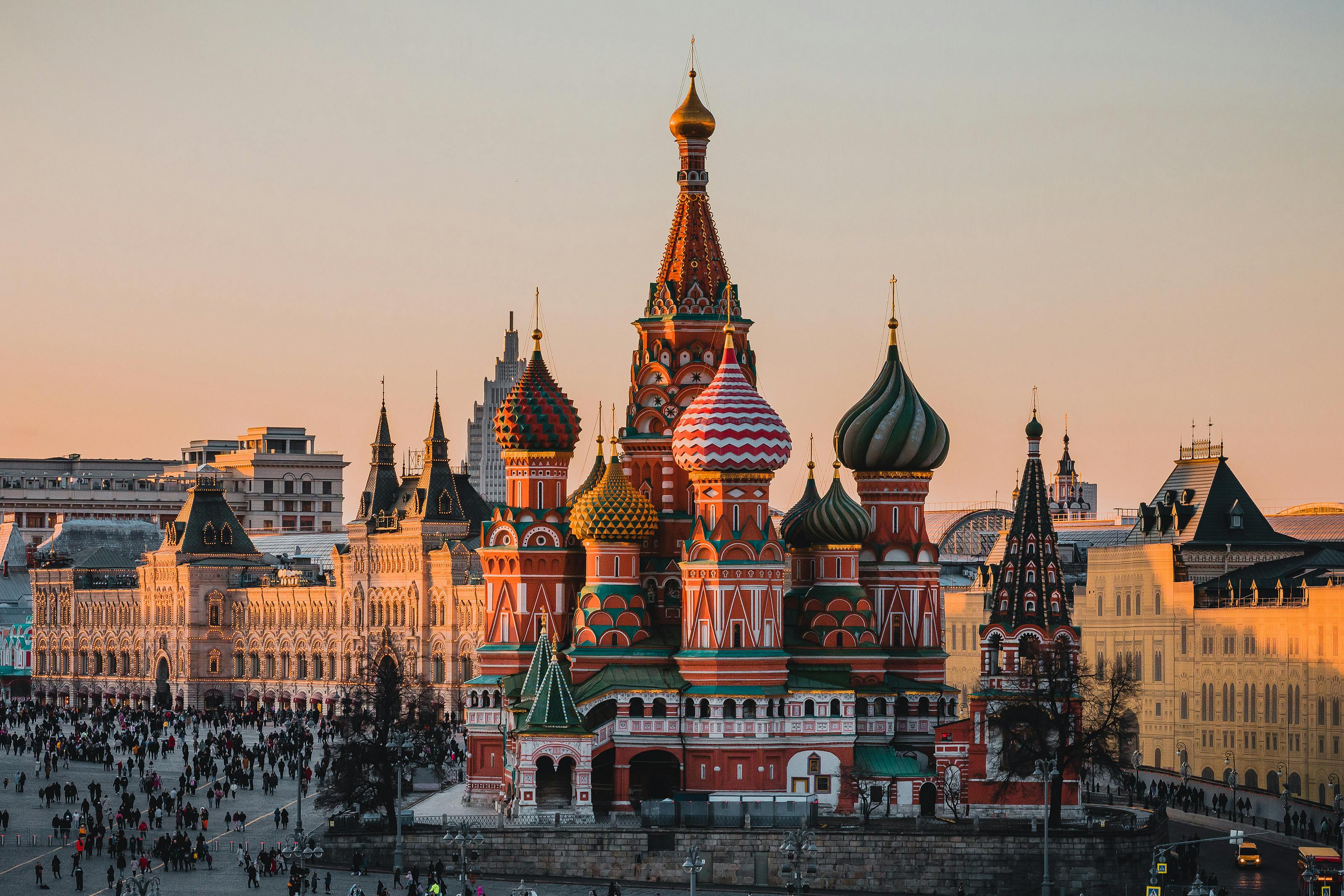
Exploring Demographic Studies on Russian Youth: Population Trends Among Russian Young Adults
Introduction
Understanding demographic trends among the youth population is crucial for predicting the future dynamics of a society. In Russia, demographic studies on the youth population provide valuable insights into the changing social, economic, and political landscape of the country. This blog post delves into the demographic trends among Russian youth, shedding light on key statistics and factors that influence the population dynamics of young adults in Russia.
Population Distribution by Age Group
According to recent demographic studies, young adults between the ages of 15-29 make up a significant portion of the Russian population. This age group represents the future workforce and plays a crucial role in shaping the country's social and political landscape. The distribution of youth population across different regions of Russia also varies, with urban areas like Moscow and St. Petersburg attracting a larger number of young adults due to better employment opportunities and access to education.
Trends in Birth Rates and Fertility Rates
One of the key factors influencing the population trends among Russian youth is the birth rate and fertility rate. In recent years, Russia has seen fluctuations in birth rates, with periods of decline followed by modest increases. Government initiatives to incentivize childbirth and improve family support programs have played a role in encouraging young couples to have children. However, challenges such as economic instability and changing societal norms continue to impact fertility rates among Russian youth.
Education and Employment Opportunities
Access to quality education and employment opportunities are crucial factors that influence the population trends among Russian youth. Higher education is highly valued in Russian society, leading many young adults to pursue academic degrees in various fields. The availability of job opportunities and career prospects also play a significant role in migration patterns among young adults, with many seeking better employment prospects in urban centers.
Challenges and Opportunities
While demographic studies provide valuable insights into the population trends among Russian youth, they also highlight several challenges facing this demographic group. Issues such as substance abuse, mental health issues, and lack of affordable housing pose significant challenges to the well-being of young adults in Russia. Addressing these challenges requires a comprehensive approach that involves government initiatives, community support, and youth engagement programs.
Conclusion
Demographic studies on Russian youth population trends offer valuable insights into the changing dynamics of the country's young adult population. By understanding the factors that influence the population trends among Russian youth, policymakers can develop targeted strategies to address the challenges and opportunities facing this demographic group. As the future leaders and workforce of Russia, investing in the well-being and empowerment of young adults is crucial for ensuring a prosperous and sustainable future for the country.
Leave a Comment:
SEARCH
Recent News
- Zurich, Switzerland and Tunisia are two countries that are geographically distant but connected through various global issues and news events. Let's take a look at some of the recent news coming out of these two diverse locations.
- Zurich, Switzerland, is a popular destination for Russian expatriates looking to benefit from the city's high quality of life, economic stability, and well-developed infrastructure. However, relocating to Zurich from Russia means navigating the complexities of both Swiss and Russian taxation systems.
- Zurich, Switzerland has long been known for its exceptional quality of life, beautiful surroundings, and high standard of healthcare. In contrast, the Russian healthcare system has faced various challenges and struggles over the years. Let's delve into the differences between the healthcare systems in Zurich, Switzerland, and Russia.
- Zurich, Switzerland is known for its picturesque landscapes, thriving financial sector, and strategic location in Europe. Lately, the city has been making headlines for its involvement in Russian energy deals. These deals have sparked controversy and drawn attention from various stakeholders around the world.
- Zurich, Switzerland, is renowned for its picturesque landscapes, vibrant culture, and thriving economy. However, thousands of kilometers away in Russia, agriculture plays a crucial role in the country's economy and food production.
- Zurich, Switzerland and Moscow, Russia may be miles apart geographically, but they are both major players in the world of venture capital. In recent years, both cities have seen a surge in the number of venture capital firms operating within their borders, drawing in startups and investors from around the globe.
- Zurich, Switzerland and Moscow, Russia may seem like two very distant cities with different cultures and characteristics, but when it comes to startups, they share some common ground. Both cities have been steadily growing their startup ecosystems, attracting entrepreneurs, investors, and tech talent from around the world.
- Zurich, Switzerland and Moscow, Russia: A Comparison of Job Markets
READ MORE
10 months ago Category :

Zurich, Switzerland and Tunisia are two countries that are geographically distant but connected through various global issues and news events. Let's take a look at some of the recent news coming out of these two diverse locations.
Read More →10 months ago Category :

Zurich, Switzerland, is a popular destination for Russian expatriates looking to benefit from the city's high quality of life, economic stability, and well-developed infrastructure. However, relocating to Zurich from Russia means navigating the complexities of both Swiss and Russian taxation systems.
Read More →10 months ago Category :

Zurich, Switzerland has long been known for its exceptional quality of life, beautiful surroundings, and high standard of healthcare. In contrast, the Russian healthcare system has faced various challenges and struggles over the years. Let's delve into the differences between the healthcare systems in Zurich, Switzerland, and Russia.
Read More →10 months ago Category :
