Indigenous Rights in the Russian Federation: Balancing Indigenous Communities and Russian Laws
Category : Indigenous Rights in Russian Federation | Sub Category : Indigenous Communities and Russian Laws Posted on 2025-02-02 21:24:53
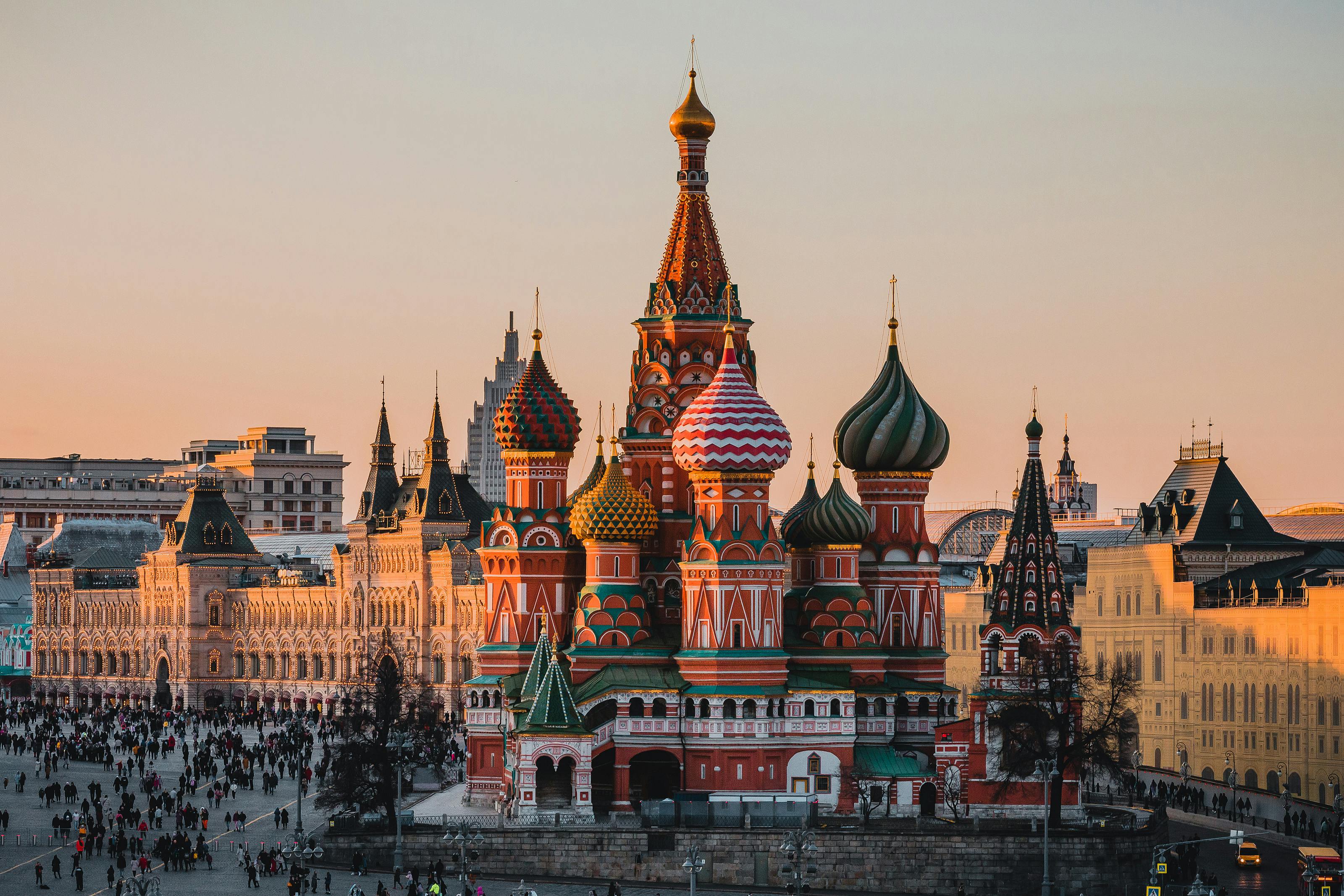
Indigenous Rights in the Russian Federation: Balancing Indigenous Communities and Russian Laws
Indigenous rights have long been a contentious issue in the Russian Federation, where various indigenous communities have struggled to secure their rights and preserve their cultural heritage. With a diverse range of indigenous groups spread across the vast expanse of Russia, protecting their rights can be a complex challenge, especially when it comes to navigating the legal landscape of the country.
One of the key issues facing indigenous communities in Russia is the clash between traditional indigenous practices and Russian laws. Many indigenous groups have unique cultural practices and ways of life that have been passed down through generations, but these can sometimes conflict with the legal framework established by the Russian government. This can result in indigenous communities facing discrimination, marginalization, and even forced assimilation.
In recent years, there have been efforts to address these challenges and protect the rights of indigenous communities in Russia. The Russian Constitution, as well as international human rights treaties that Russia is a signatory to, recognize the rights of indigenous peoples and their right to preserve their cultural heritage. Additionally, Russia has ratified the International Labour Organization's Convention No. 169, which establishes important rights for indigenous and tribal peoples.
Despite these legal protections, indigenous communities in Russia continue to face significant challenges. Land rights are a major issue, as many indigenous groups have historically inhabited specific territories that are now under threat from resource extraction, development projects, and environmental degradation. Securing land rights for indigenous communities is crucial for ensuring their survival and well-being.
Another issue facing indigenous communities in Russia is the lack of consultation and consent in decision-making processes that affect them. Often, decisions that impact indigenous lands and resources are made without the meaningful participation of indigenous communities, leading to further marginalization and loss of control over their own destinies.
To address these challenges, it is essential for the Russian government to engage in meaningful dialogue with indigenous communities, respect their rights to self-determination and land ownership, and ensure that their voices are heard in decision-making processes. Empowering indigenous communities to participate in shaping their own futures is crucial for promoting social justice, preserving cultural diversity, and upholding human rights for all.
In conclusion, the issue of indigenous rights in the Russian Federation is complex and multifaceted, requiring a delicate balance between respecting the cultural heritage and rights of indigenous communities and upholding the rule of law. By enacting policies that protect and empower indigenous peoples, Russia can create a more inclusive and just society for all its citizens.
Leave a Comment:
SEARCH
Recent News
- Zurich, Switzerland and Tunisia are two countries that are geographically distant but connected through various global issues and news events. Let's take a look at some of the recent news coming out of these two diverse locations.
- Zurich, Switzerland, is a popular destination for Russian expatriates looking to benefit from the city's high quality of life, economic stability, and well-developed infrastructure. However, relocating to Zurich from Russia means navigating the complexities of both Swiss and Russian taxation systems.
- Zurich, Switzerland has long been known for its exceptional quality of life, beautiful surroundings, and high standard of healthcare. In contrast, the Russian healthcare system has faced various challenges and struggles over the years. Let's delve into the differences between the healthcare systems in Zurich, Switzerland, and Russia.
- Zurich, Switzerland is known for its picturesque landscapes, thriving financial sector, and strategic location in Europe. Lately, the city has been making headlines for its involvement in Russian energy deals. These deals have sparked controversy and drawn attention from various stakeholders around the world.
- Zurich, Switzerland, is renowned for its picturesque landscapes, vibrant culture, and thriving economy. However, thousands of kilometers away in Russia, agriculture plays a crucial role in the country's economy and food production.
- Zurich, Switzerland and Moscow, Russia may be miles apart geographically, but they are both major players in the world of venture capital. In recent years, both cities have seen a surge in the number of venture capital firms operating within their borders, drawing in startups and investors from around the globe.
- Zurich, Switzerland and Moscow, Russia may seem like two very distant cities with different cultures and characteristics, but when it comes to startups, they share some common ground. Both cities have been steadily growing their startup ecosystems, attracting entrepreneurs, investors, and tech talent from around the world.
- Zurich, Switzerland and Moscow, Russia: A Comparison of Job Markets
READ MORE
10 months ago Category :

Zurich, Switzerland and Tunisia are two countries that are geographically distant but connected through various global issues and news events. Let's take a look at some of the recent news coming out of these two diverse locations.
Read More →10 months ago Category :

Zurich, Switzerland, is a popular destination for Russian expatriates looking to benefit from the city's high quality of life, economic stability, and well-developed infrastructure. However, relocating to Zurich from Russia means navigating the complexities of both Swiss and Russian taxation systems.
Read More →10 months ago Category :

Zurich, Switzerland has long been known for its exceptional quality of life, beautiful surroundings, and high standard of healthcare. In contrast, the Russian healthcare system has faced various challenges and struggles over the years. Let's delve into the differences between the healthcare systems in Zurich, Switzerland, and Russia.
Read More →10 months ago Category :
