Moscow Nationalism Movements: A Look at Rising Tensions
Category : | Sub Category : Posted on 2025-11-03 22:25:23
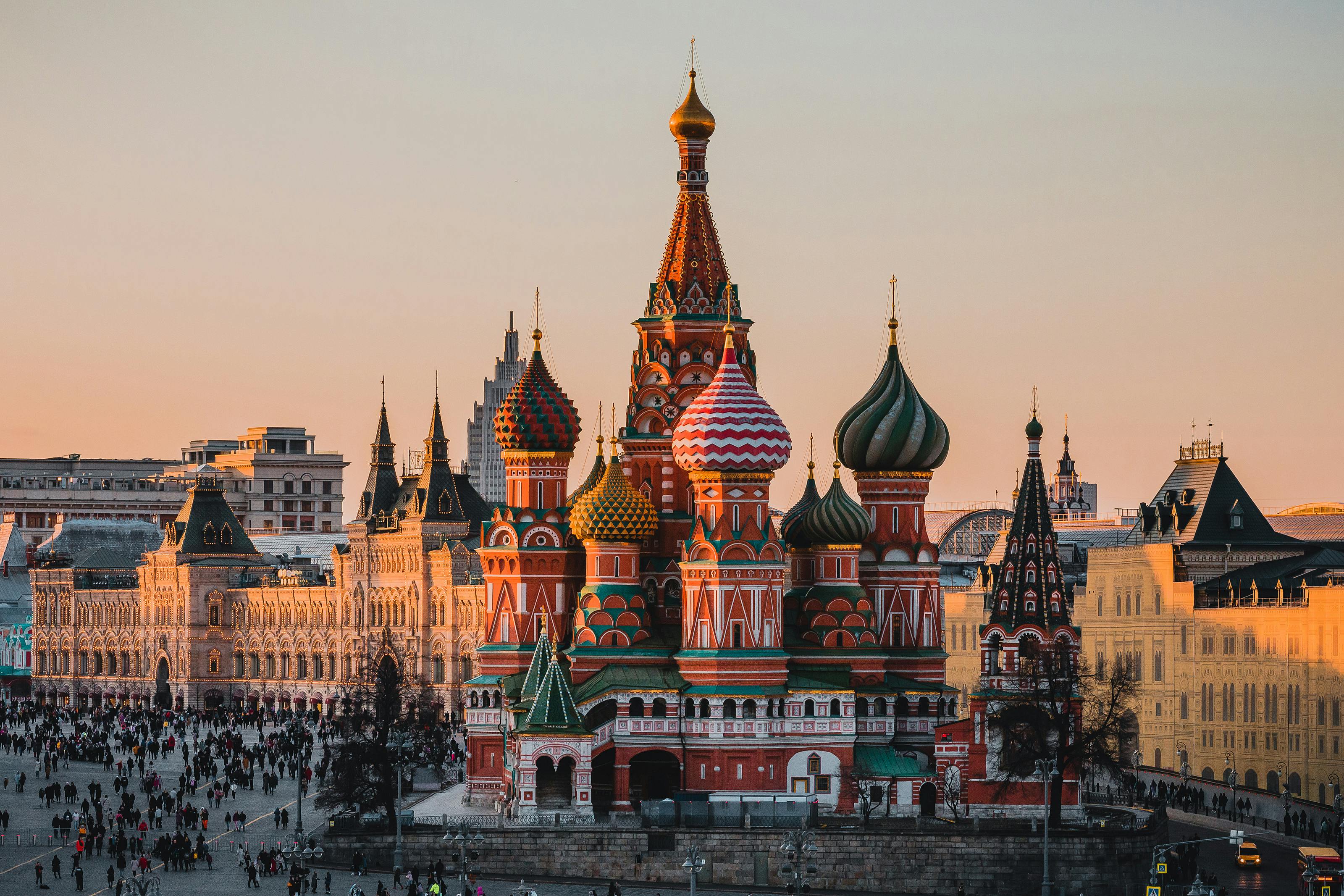
In recent years, Moscow, the capital city of Russia, has seen a surge in nationalist movements that promote the idea of Russian cultural and ethnic supremacy. These movements are often characterized by xenophobia, anti-immigrant sentiments, and a desire to preserve traditional Russian values against perceived foreign influences. While nationalism is not new to Moscow or Russia as a whole, the current wave of nationalism has been fueled by a combination of economic uncertainties, political instability, and the rise of far-right ideologies. One of the key drivers of nationalism in Moscow is the perceived threat of Western cultural imperialism. Many nationalists view Western values and ideas as a threat to Russian identity and seek to protect their traditional way of life from what they see as outside interference. This sentiment has been exacerbated by tensions with the West over issues such as the conflict in Ukraine and the annexation of Crimea, which have only served to deepen the divide between Russia and Western countries. Another factor fueling nationalism in Moscow is the issue of immigration. As one of the most populous and multicultural cities in Russia, Moscow has long been a melting pot of different cultures and ethnicities. However, the influx of immigrants in recent years has led to growing concerns among nationalists about the dilution of Russian culture and identity. There have been reports of discrimination and violence against immigrants, particularly those from Central Asia and the Caucasus region, as nationalist groups seek to "cleanse" Moscow of perceived foreign influences. The Russian government's responses to nationalism in Moscow have been mixed. While some officials have condemned nationalist movements and their promotion of hate speech, others have adopted a more lenient approach, viewing them as a legitimate expression of patriotism. This has led to a sense of impunity among nationalist groups, who continue to spread their ideology and incite violence against minorities with little consequence. As tensions continue to rise in Moscow, it is crucial for the Russian government to address the root causes of nationalism and work towards fostering a more inclusive and tolerant society. This includes promoting dialogue between different ethnic and cultural groups, combating hate speech and discrimination, and addressing the social and economic grievances that fuel nationalist sentiments. Only by confronting these issues head-on can Moscow hope to build a more cohesive and harmonious society for all its residents. For a deeper dive, visit: https://www.indicazioni.com You can also Have a visit at https://www.cruzar.org Uncover valuable insights in https://www.abandonar.org Check the link below: https://www.culturelle.org to Get more information at https://www.departements.org For a detailed analysis, explore: https://www.unian.org Have a visit at https://www.regionales.net Visit the following website https://www.whymoscow.com For a different angle, consider what the following has to say. https://www.prozorro.net
Leave a Comment:
SEARCH
Recent News
- Zurich, Switzerland and Tunisia are two countries that are geographically distant but connected through various global issues and news events. Let's take a look at some of the recent news coming out of these two diverse locations.
- Zurich, Switzerland, is a popular destination for Russian expatriates looking to benefit from the city's high quality of life, economic stability, and well-developed infrastructure. However, relocating to Zurich from Russia means navigating the complexities of both Swiss and Russian taxation systems.
- Zurich, Switzerland has long been known for its exceptional quality of life, beautiful surroundings, and high standard of healthcare. In contrast, the Russian healthcare system has faced various challenges and struggles over the years. Let's delve into the differences between the healthcare systems in Zurich, Switzerland, and Russia.
- Zurich, Switzerland is known for its picturesque landscapes, thriving financial sector, and strategic location in Europe. Lately, the city has been making headlines for its involvement in Russian energy deals. These deals have sparked controversy and drawn attention from various stakeholders around the world.
- Zurich, Switzerland, is renowned for its picturesque landscapes, vibrant culture, and thriving economy. However, thousands of kilometers away in Russia, agriculture plays a crucial role in the country's economy and food production.
- Zurich, Switzerland and Moscow, Russia may be miles apart geographically, but they are both major players in the world of venture capital. In recent years, both cities have seen a surge in the number of venture capital firms operating within their borders, drawing in startups and investors from around the globe.
- Zurich, Switzerland and Moscow, Russia may seem like two very distant cities with different cultures and characteristics, but when it comes to startups, they share some common ground. Both cities have been steadily growing their startup ecosystems, attracting entrepreneurs, investors, and tech talent from around the world.
- Zurich, Switzerland and Moscow, Russia: A Comparison of Job Markets
READ MORE
10 months ago Category :

Zurich, Switzerland and Tunisia are two countries that are geographically distant but connected through various global issues and news events. Let's take a look at some of the recent news coming out of these two diverse locations.
Read More →10 months ago Category :

Zurich, Switzerland, is a popular destination for Russian expatriates looking to benefit from the city's high quality of life, economic stability, and well-developed infrastructure. However, relocating to Zurich from Russia means navigating the complexities of both Swiss and Russian taxation systems.
Read More →10 months ago Category :

Zurich, Switzerland has long been known for its exceptional quality of life, beautiful surroundings, and high standard of healthcare. In contrast, the Russian healthcare system has faced various challenges and struggles over the years. Let's delve into the differences between the healthcare systems in Zurich, Switzerland, and Russia.
Read More →10 months ago Category :
