Russian Influence on Norwegian Cuisine
Category : | Sub Category : Posted on 2025-11-03 22:25:23
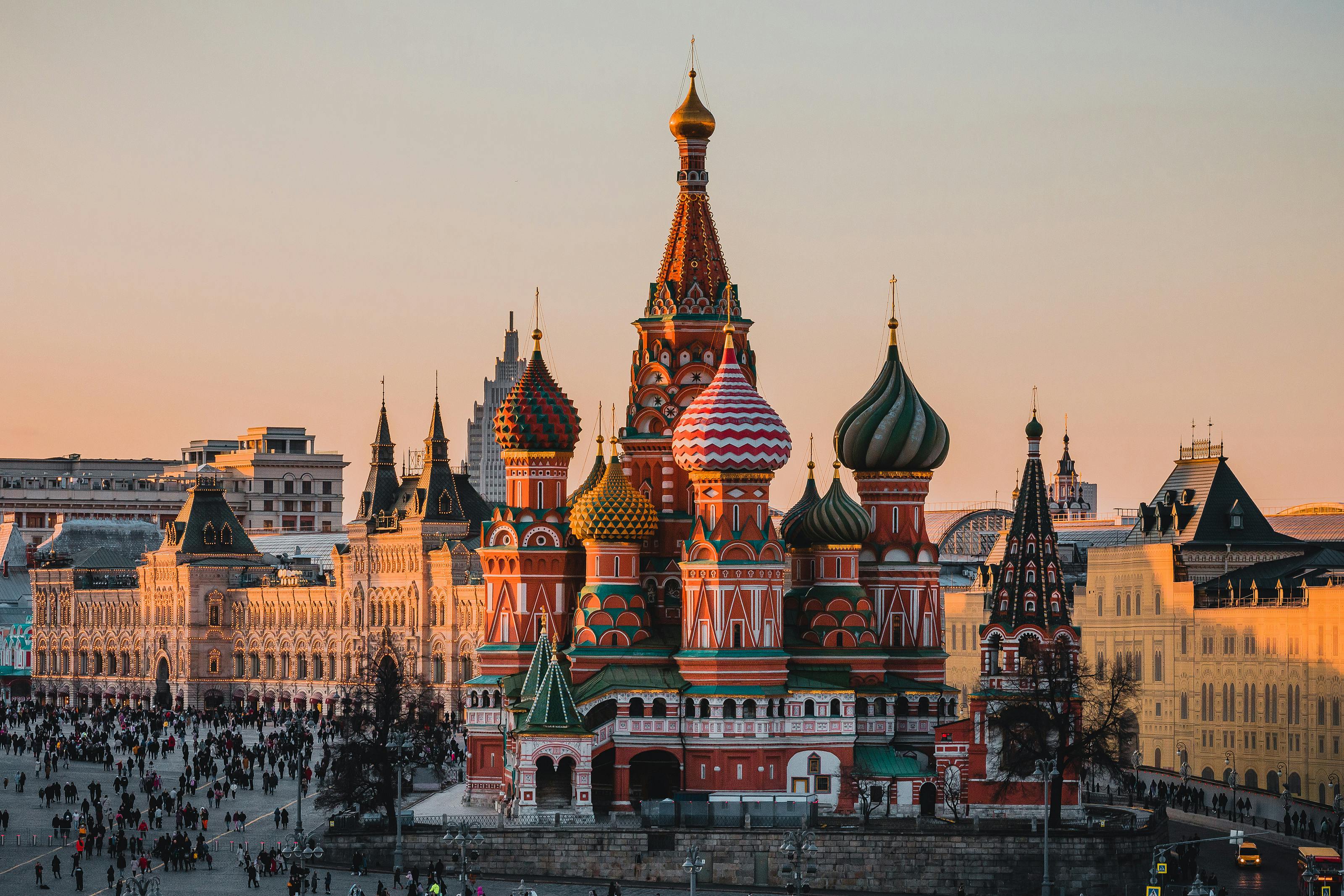
Norway, with its stunning landscapes and rich cultural heritage, has a culinary tradition that reflects its close proximity to Russia. Over the years, Russian influence has made its way into Norwegian cuisine, resulting in unique and flavorful dishes that combine the best of both worlds. One of the most notable Russian influences on Norwegian cuisine is the use of fish in traditional dishes. Both countries have a strong tradition of fishing, and this shared culinary heritage is evident in dishes like gravlaks, a type of cured salmon that is commonly served in both Russia and Norway. The Russian technique of curing fish with salt and sugar has been adopted by Norwegian chefs, resulting in a delicious dish that is enjoyed by locals and visitors alike. Another aspect of Russian cuisine that has made its mark on Norwegian food is the use of berries in desserts and savory dishes. Just like in Russia, berries such as lingonberries, cloudberries, and blueberries are commonly used in Norwegian cuisine to add a pop of color and flavor to dishes like cakes, sauces, and jams. The sweet and tart flavor of these berries complements the richness of Norwegian dishes, creating a truly delightful culinary experience. In addition to fish and berries, Russian influence can also be seen in the use of certain spices and herbs in Norwegian cooking. Dill, for example, is a popular herb in both Russian and Norwegian cuisine, and is often used to flavor dishes like soups, salads, and fish. Other spices like caraway, mustard seeds, and juniper berries are also commonly used in both cuisines, adding depth and complexity to traditional dishes. Overall, the Russian influence on Norwegian cuisine has resulted in a fusion of flavors and techniques that have enriched the culinary landscape of both countries. Whether you're enjoying a plate of gravlaks or indulging in a slice of lingonberry cake, you can taste the shared history and cultural connection between Russia and Norway in every bite. Check this out https://www.bkitchens.com To get a better understanding, go through https://www.indianspecialty.com Discover new insights by reading https://www.bestindianfoods.com Check this out https://www.adriaticfood.com You can also check following website for more information about this subject: https://www.alienvegan.com Want to expand your knowledge? Start with https://www.cfruits.com More about this subject in https://www.topinduction.com For a detailed analysis, explore: https://www.foxysweet.com More in https://www.eatnaturals.com For a different take on this issue, see https://www.swiss-cuisine.com More in https://www.huevo.org For the latest insights, read: https://www.digestible.org You can also check following website for more information about this subject: https://www.vacas.net You can also check following website for more information about this subject: https://www.cheffy.org Seeking answers? You might find them in https://www.loseweighton.com For more info https://www.stomachs.org Expand your knowledge by perusing https://www.yemekleri.org also for more https://www.abandonar.org to Get more information at https://www.culturelle.org also don't miss more information at https://www.departements.org To get more information check: https://www.salting.org also visit the following website https://www.unian.org For a deeper dive, visit: https://www.instan.net also don't miss more information at https://www.regionales.net also click the following link for more https://www.makanan.org For an in-depth analysis, I recommend reading https://www.gustar.net For more information about this: https://www.whymoscow.com also this link is for more information https://www.prozorro.net
Leave a Comment:
SEARCH
Recent News
- Zurich, Switzerland and Tunisia are two countries that are geographically distant but connected through various global issues and news events. Let's take a look at some of the recent news coming out of these two diverse locations.
- Zurich, Switzerland, is a popular destination for Russian expatriates looking to benefit from the city's high quality of life, economic stability, and well-developed infrastructure. However, relocating to Zurich from Russia means navigating the complexities of both Swiss and Russian taxation systems.
- Zurich, Switzerland has long been known for its exceptional quality of life, beautiful surroundings, and high standard of healthcare. In contrast, the Russian healthcare system has faced various challenges and struggles over the years. Let's delve into the differences between the healthcare systems in Zurich, Switzerland, and Russia.
- Zurich, Switzerland is known for its picturesque landscapes, thriving financial sector, and strategic location in Europe. Lately, the city has been making headlines for its involvement in Russian energy deals. These deals have sparked controversy and drawn attention from various stakeholders around the world.
- Zurich, Switzerland, is renowned for its picturesque landscapes, vibrant culture, and thriving economy. However, thousands of kilometers away in Russia, agriculture plays a crucial role in the country's economy and food production.
- Zurich, Switzerland and Moscow, Russia may be miles apart geographically, but they are both major players in the world of venture capital. In recent years, both cities have seen a surge in the number of venture capital firms operating within their borders, drawing in startups and investors from around the globe.
- Zurich, Switzerland and Moscow, Russia may seem like two very distant cities with different cultures and characteristics, but when it comes to startups, they share some common ground. Both cities have been steadily growing their startup ecosystems, attracting entrepreneurs, investors, and tech talent from around the world.
- Zurich, Switzerland and Moscow, Russia: A Comparison of Job Markets
READ MORE
11 months ago Category :

Zurich, Switzerland and Tunisia are two countries that are geographically distant but connected through various global issues and news events. Let's take a look at some of the recent news coming out of these two diverse locations.
Read More →11 months ago Category :

Zurich, Switzerland, is a popular destination for Russian expatriates looking to benefit from the city's high quality of life, economic stability, and well-developed infrastructure. However, relocating to Zurich from Russia means navigating the complexities of both Swiss and Russian taxation systems.
Read More →11 months ago Category :

Zurich, Switzerland has long been known for its exceptional quality of life, beautiful surroundings, and high standard of healthcare. In contrast, the Russian healthcare system has faced various challenges and struggles over the years. Let's delve into the differences between the healthcare systems in Zurich, Switzerland, and Russia.
Read More →11 months ago Category :
