The rapidly changing climate and melting ice in the Arctic region have reignited tensions among global powers, particularly when it comes to military presence and operations in this strategically important area. In recent years, Russia has been expanding its military bases in the Arctic, raising concerns among other nations about a potential militarization of the region.
Category : Russian Arctic Military Base Expansions | Sub Category : Military Developments in the Arctic Region Posted on 2025-02-02 21:24:53
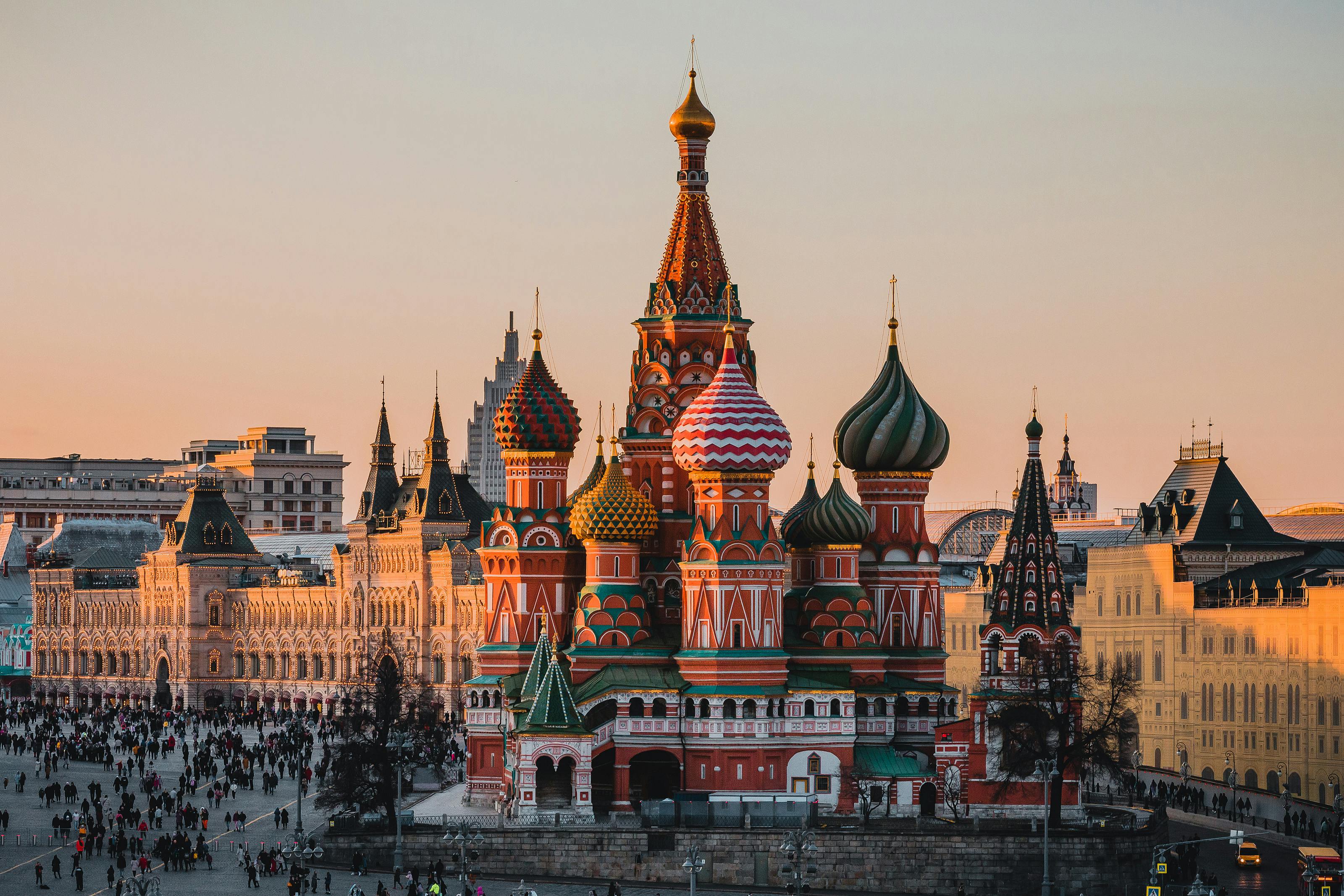
The rapidly changing climate and melting ice in the Arctic region have reignited tensions among global powers, particularly when it comes to military presence and operations in this strategically important area. In recent years, Russia has been expanding its military bases in the Arctic, raising concerns among other nations about a potential militarization of the region.
The Russian Arctic military base expansions have been driven by several factors. One of the primary reasons is the increased accessibility of the Arctic due to melting ice, which has opened up new sea routes and resources for exploitation. This has led to a race among Arctic nations to assert their sovereignty over the region and secure their interests.
Russia, being one of the Arctic states with the longest Arctic coastline, has been particularly active in expanding its military presence in the region. It has revitalized Soviet-era military bases and infrastructure and established new bases to bolster its defenses and assert its dominance in the Arctic. These bases serve as strategic outposts for conducting military exercises, monitoring activities in the region, and projecting power.
One of the key developments in the Russian Arctic military base expansions is the construction of new military facilities, including airfields, ports, and radar stations. These facilities enhance Russia's ability to deploy troops and equipment quickly in the Arctic and strengthen its surveillance and early warning capabilities. In addition, Russia has been upgrading its fleet of icebreakers to ensure access to Arctic waters and protect its interests in the region.
The expansion of Russian military bases in the Arctic has raised concerns among other Arctic nations and the international community. There are fears that this military buildup could lead to increased tensions and competition in the region, as well as potential security threats. Some experts warn that the militarization of the Arctic could escalate into a new cold war, with implications for global security and stability.
In response to the Russian Arctic military base expansions, other Arctic nations, including the United States, Canada, and Norway, have also been bolstering their military presence in the region. This has led to a militarization trend in the Arctic, with competing interests and strategic ambitions at play. The challenge now is to manage these tensions and prevent any potential conflicts from arising in the region.
As the Arctic continues to undergo rapid changes due to climate change and geopolitical dynamics, the issue of military developments in the region will remain a topic of concern and debate. It is essential for Arctic nations to engage in dialogue, cooperation, and transparency to ensure peace and stability in this vital but fragile region.
Leave a Comment:
SEARCH
Recent News
- Zurich, Switzerland and Tunisia are two countries that are geographically distant but connected through various global issues and news events. Let's take a look at some of the recent news coming out of these two diverse locations.
- Zurich, Switzerland, is a popular destination for Russian expatriates looking to benefit from the city's high quality of life, economic stability, and well-developed infrastructure. However, relocating to Zurich from Russia means navigating the complexities of both Swiss and Russian taxation systems.
- Zurich, Switzerland has long been known for its exceptional quality of life, beautiful surroundings, and high standard of healthcare. In contrast, the Russian healthcare system has faced various challenges and struggles over the years. Let's delve into the differences between the healthcare systems in Zurich, Switzerland, and Russia.
- Zurich, Switzerland is known for its picturesque landscapes, thriving financial sector, and strategic location in Europe. Lately, the city has been making headlines for its involvement in Russian energy deals. These deals have sparked controversy and drawn attention from various stakeholders around the world.
- Zurich, Switzerland, is renowned for its picturesque landscapes, vibrant culture, and thriving economy. However, thousands of kilometers away in Russia, agriculture plays a crucial role in the country's economy and food production.
- Zurich, Switzerland and Moscow, Russia may be miles apart geographically, but they are both major players in the world of venture capital. In recent years, both cities have seen a surge in the number of venture capital firms operating within their borders, drawing in startups and investors from around the globe.
- Zurich, Switzerland and Moscow, Russia may seem like two very distant cities with different cultures and characteristics, but when it comes to startups, they share some common ground. Both cities have been steadily growing their startup ecosystems, attracting entrepreneurs, investors, and tech talent from around the world.
- Zurich, Switzerland and Moscow, Russia: A Comparison of Job Markets
READ MORE
10 months ago Category :

Zurich, Switzerland and Tunisia are two countries that are geographically distant but connected through various global issues and news events. Let's take a look at some of the recent news coming out of these two diverse locations.
Read More →10 months ago Category :

Zurich, Switzerland, is a popular destination for Russian expatriates looking to benefit from the city's high quality of life, economic stability, and well-developed infrastructure. However, relocating to Zurich from Russia means navigating the complexities of both Swiss and Russian taxation systems.
Read More →10 months ago Category :

Zurich, Switzerland has long been known for its exceptional quality of life, beautiful surroundings, and high standard of healthcare. In contrast, the Russian healthcare system has faced various challenges and struggles over the years. Let's delve into the differences between the healthcare systems in Zurich, Switzerland, and Russia.
Read More →10 months ago Category :
