Russian Environmental Protests and Activism: A Call for Change
Category : Russian Environmental Protests and Activism | Sub Category : Russian Environmental Policies and Activism Posted on 2025-02-02 21:24:53
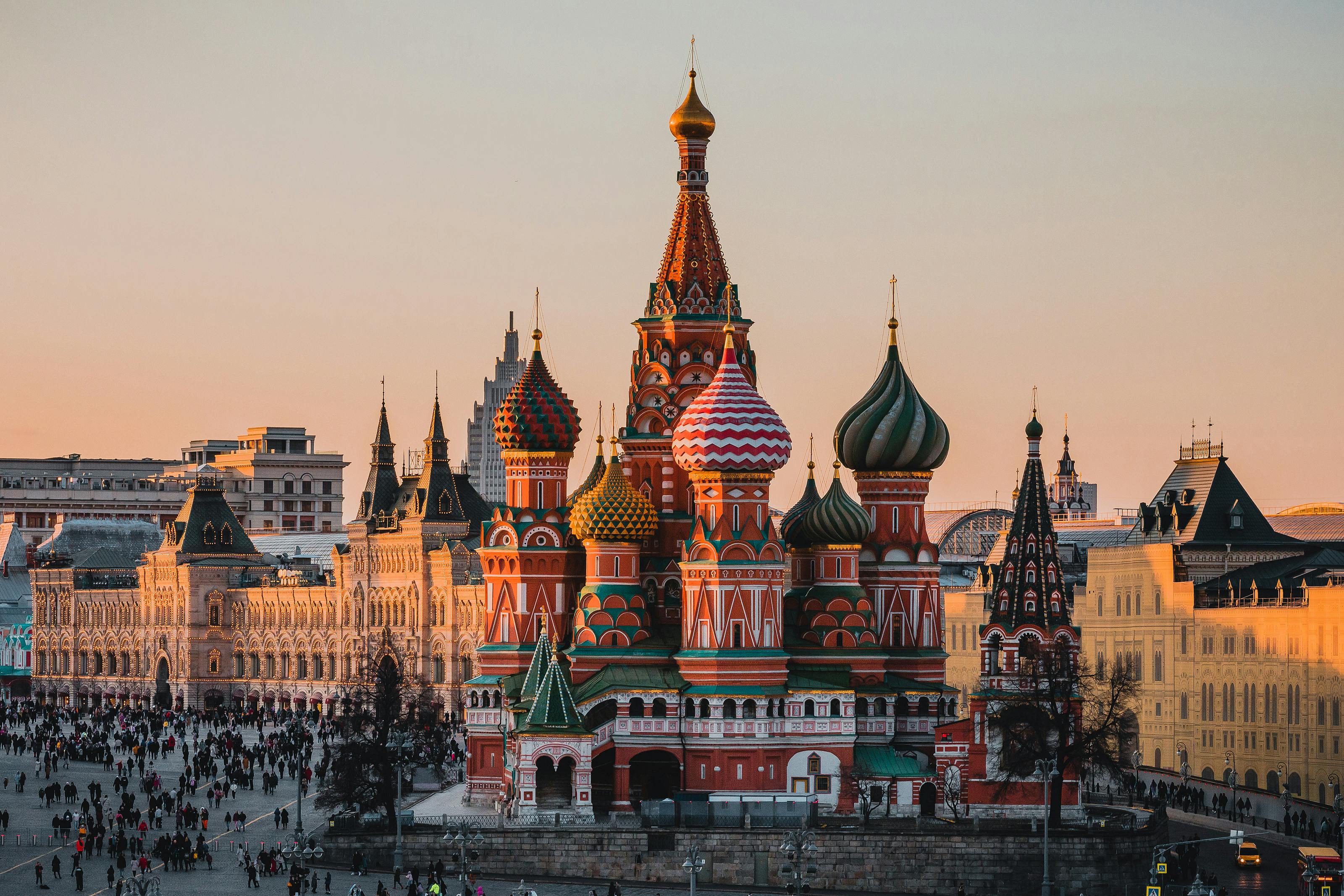
Russian Environmental Protests and Activism: A Call for Change
In recent years, Russia has seen a surge in environmental protests and activism as concerned citizens push for stricter environmental policies and greater protection of natural resources. These movements have garnered attention both domestically and internationally, shedding light on the environmental challenges facing the country and the need for action.
One of the key drivers of environmental activism in Russia is the degradation of the country's natural environment due to industrial pollution, deforestation, and unsustainable resource extraction. From the Arctic region in the north to the forests in the far east, Russia's diverse ecosystems are under threat from human activities that prioritize economic development over environmental conservation.
Protests and demonstrations have become a common tool for Russian environmental activists to raise awareness and demand policy changes. In cities like Moscow and St. Petersburg, citizens have taken to the streets to protest against projects that threaten local environments, such as the construction of dams, pipelines, and mining operations.
Despite facing challenges such as government crackdowns and restrictions on public protests, Russian environmental activists remain determined to make their voices heard. Social media and online platforms have played a crucial role in amplifying their message and mobilizing support from both within Russia and abroad.
In response to mounting pressure from environmental activists, the Russian government has taken some steps to address environmental issues. In 2019, President Vladimir Putin signed a decree declaring a state of emergency in several regions due to widespread forest fires, highlighting the urgency of addressing environmental problems in the country.
However, many activists argue that these efforts are not enough and that more comprehensive and enforceable environmental policies are needed to protect Russia's natural heritage for future generations. They continue to push for greater transparency, public participation, and accountability in decision-making processes related to environmental issues.
Russian environmental protests and activism serve as a reminder that the preservation of the environment is a collective responsibility that requires the engagement of citizens, government, and industry. By standing up for the protection of their natural resources, Russian activists are not just fighting for a healthier environment today but also for a sustainable future for all.
Leave a Comment:
SEARCH
Recent News
- Zurich, Switzerland and Tunisia are two countries that are geographically distant but connected through various global issues and news events. Let's take a look at some of the recent news coming out of these two diverse locations.
- Zurich, Switzerland, is a popular destination for Russian expatriates looking to benefit from the city's high quality of life, economic stability, and well-developed infrastructure. However, relocating to Zurich from Russia means navigating the complexities of both Swiss and Russian taxation systems.
- Zurich, Switzerland has long been known for its exceptional quality of life, beautiful surroundings, and high standard of healthcare. In contrast, the Russian healthcare system has faced various challenges and struggles over the years. Let's delve into the differences between the healthcare systems in Zurich, Switzerland, and Russia.
- Zurich, Switzerland is known for its picturesque landscapes, thriving financial sector, and strategic location in Europe. Lately, the city has been making headlines for its involvement in Russian energy deals. These deals have sparked controversy and drawn attention from various stakeholders around the world.
- Zurich, Switzerland, is renowned for its picturesque landscapes, vibrant culture, and thriving economy. However, thousands of kilometers away in Russia, agriculture plays a crucial role in the country's economy and food production.
- Zurich, Switzerland and Moscow, Russia may be miles apart geographically, but they are both major players in the world of venture capital. In recent years, both cities have seen a surge in the number of venture capital firms operating within their borders, drawing in startups and investors from around the globe.
- Zurich, Switzerland and Moscow, Russia may seem like two very distant cities with different cultures and characteristics, but when it comes to startups, they share some common ground. Both cities have been steadily growing their startup ecosystems, attracting entrepreneurs, investors, and tech talent from around the world.
- Zurich, Switzerland and Moscow, Russia: A Comparison of Job Markets
READ MORE
10 months ago Category :

Zurich, Switzerland and Tunisia are two countries that are geographically distant but connected through various global issues and news events. Let's take a look at some of the recent news coming out of these two diverse locations.
Read More →10 months ago Category :

Zurich, Switzerland, is a popular destination for Russian expatriates looking to benefit from the city's high quality of life, economic stability, and well-developed infrastructure. However, relocating to Zurich from Russia means navigating the complexities of both Swiss and Russian taxation systems.
Read More →10 months ago Category :

Zurich, Switzerland has long been known for its exceptional quality of life, beautiful surroundings, and high standard of healthcare. In contrast, the Russian healthcare system has faced various challenges and struggles over the years. Let's delve into the differences between the healthcare systems in Zurich, Switzerland, and Russia.
Read More →10 months ago Category :
