When it comes to nuclear arms control negotiations, Russia has played a significant role in various key agreements over the years. These agreements have not only shaped the global nuclear landscape but have also been crucial in maintaining strategic stability among nuclear-armed nations. Let's take a look at some of the key nuclear arms control agreements involving Russia:
Category : Russian Nuclear Arms Control Negotiations | Sub Category : Key Nuclear Arms Control Agreements Involving Russia Posted on 2025-02-02 21:24:53
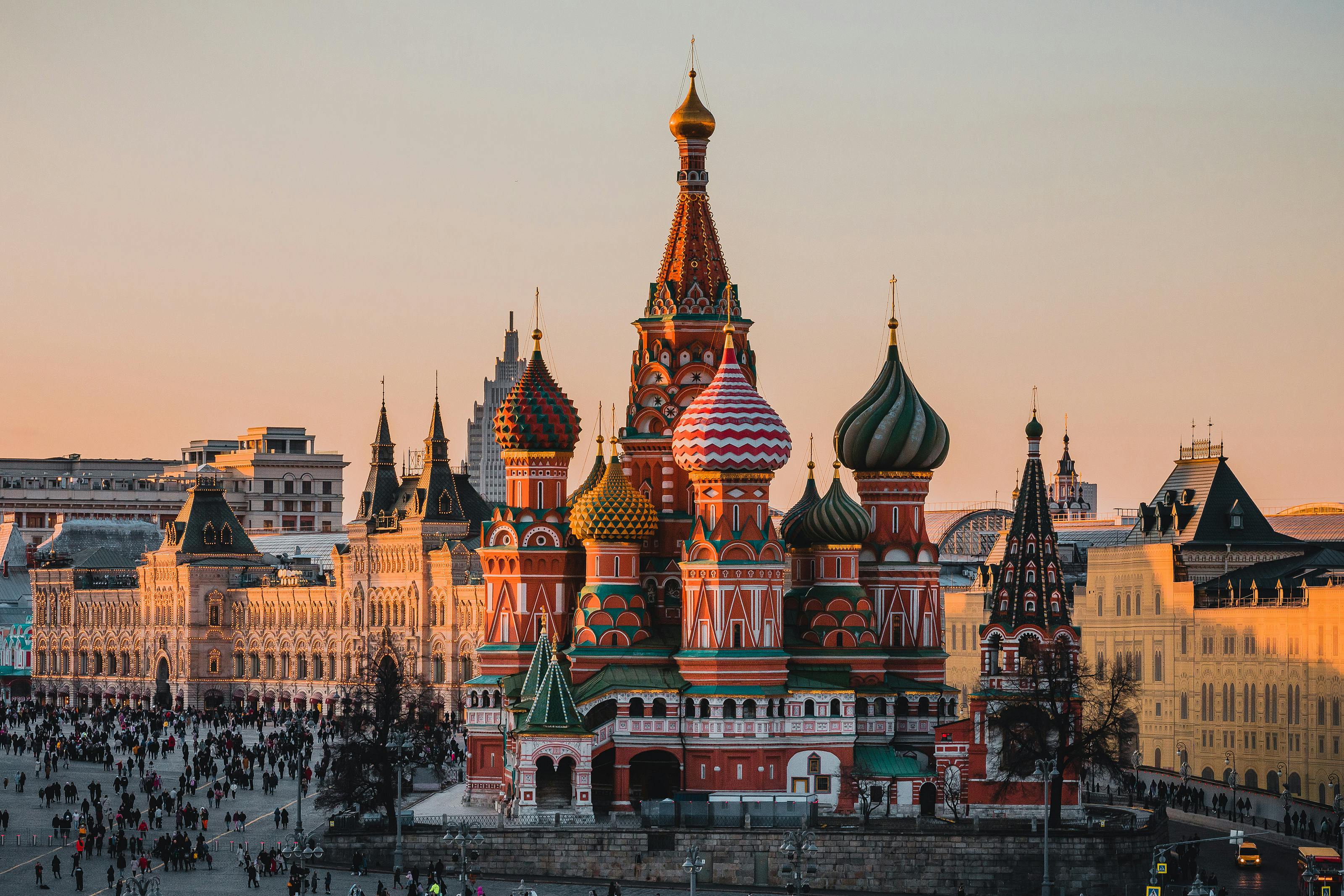
When it comes to nuclear arms control negotiations, Russia has played a significant role in various key agreements over the years. These agreements have not only shaped the global nuclear landscape but have also been crucial in maintaining strategic stability among nuclear-armed nations. Let's take a look at some of the key nuclear arms control agreements involving Russia:
1. Strategic Arms Limitation Talks (SALT): The SALT agreements were a series of bilateral negotiations between the United States and the Soviet Union (and later Russia) aimed at limiting the number of strategic nuclear weapons. The SALT I treaty, signed in 1972, placed a cap on the number of intercontinental ballistic missiles (ICBMs) and submarine-launched ballistic missiles (SLBMs) each side could possess.
2. Strategic Arms Reduction Treaty (START): The START treaties were agreements between the United States and Russia that aimed to reduce and limit their strategic nuclear weapons arsenals. The most recent treaty, New START, was signed in 2010 and limits the number of deployed strategic nuclear warheads and delivery systems on each side.
3. Intermediate-Range Nuclear Forces Treaty (INF): The INF Treaty, signed between the United States and the Soviet Union in 1987 and later involving Russia, aimed to eliminate all land-based ballistic and cruise missiles with ranges between 500 and 5,500 kilometers. Unfortunately, the treaty collapsed in 2019 following mutual accusations of non-compliance.
4. Treaty on Open Skies: The Treaty on Open Skies, which includes Russia among its signatories, allows participating countries to conduct unarmed reconnaissance flights over each other's territories to build confidence and transparency regarding military activities.
5. Comprehensive Nuclear-Test-Ban Treaty (CTBT): Although not yet in force, the CTBT aims to ban all nuclear explosions for both civilian and military purposes. Russia has signed and ratified the treaty, demonstrating its commitment to nuclear non-proliferation efforts.
In conclusion, Russia has been an active participant in various nuclear arms control agreements aimed at reducing the threat of nuclear warfare and promoting international security. Despite some setbacks and challenges, these agreements reflect the ongoing efforts to prevent the proliferation of nuclear weapons and ensure strategic stability in a complex and ever-changing geopolitical landscape.
Leave a Comment:
SEARCH
Recent News
- Zurich, Switzerland and Tunisia are two countries that are geographically distant but connected through various global issues and news events. Let's take a look at some of the recent news coming out of these two diverse locations.
- Zurich, Switzerland, is a popular destination for Russian expatriates looking to benefit from the city's high quality of life, economic stability, and well-developed infrastructure. However, relocating to Zurich from Russia means navigating the complexities of both Swiss and Russian taxation systems.
- Zurich, Switzerland has long been known for its exceptional quality of life, beautiful surroundings, and high standard of healthcare. In contrast, the Russian healthcare system has faced various challenges and struggles over the years. Let's delve into the differences between the healthcare systems in Zurich, Switzerland, and Russia.
- Zurich, Switzerland is known for its picturesque landscapes, thriving financial sector, and strategic location in Europe. Lately, the city has been making headlines for its involvement in Russian energy deals. These deals have sparked controversy and drawn attention from various stakeholders around the world.
- Zurich, Switzerland, is renowned for its picturesque landscapes, vibrant culture, and thriving economy. However, thousands of kilometers away in Russia, agriculture plays a crucial role in the country's economy and food production.
- Zurich, Switzerland and Moscow, Russia may be miles apart geographically, but they are both major players in the world of venture capital. In recent years, both cities have seen a surge in the number of venture capital firms operating within their borders, drawing in startups and investors from around the globe.
- Zurich, Switzerland and Moscow, Russia may seem like two very distant cities with different cultures and characteristics, but when it comes to startups, they share some common ground. Both cities have been steadily growing their startup ecosystems, attracting entrepreneurs, investors, and tech talent from around the world.
- Zurich, Switzerland and Moscow, Russia: A Comparison of Job Markets
READ MORE
10 months ago Category :

Zurich, Switzerland and Tunisia are two countries that are geographically distant but connected through various global issues and news events. Let's take a look at some of the recent news coming out of these two diverse locations.
Read More →10 months ago Category :

Zurich, Switzerland, is a popular destination for Russian expatriates looking to benefit from the city's high quality of life, economic stability, and well-developed infrastructure. However, relocating to Zurich from Russia means navigating the complexities of both Swiss and Russian taxation systems.
Read More →10 months ago Category :

Zurich, Switzerland has long been known for its exceptional quality of life, beautiful surroundings, and high standard of healthcare. In contrast, the Russian healthcare system has faced various challenges and struggles over the years. Let's delve into the differences between the healthcare systems in Zurich, Switzerland, and Russia.
Read More →10 months ago Category :
