In recent years, Russian nuclear arms control negotiations have been a hot topic in global politics. As one of the world's nuclear superpowers, Russia's position on global arms control agreements plays a crucial role in shaping international security dynamics.
Category : Russian Nuclear Arms Control Negotiations | Sub Category : Russia Position on Global Arms Control Agreements Posted on 2025-02-02 21:24:53
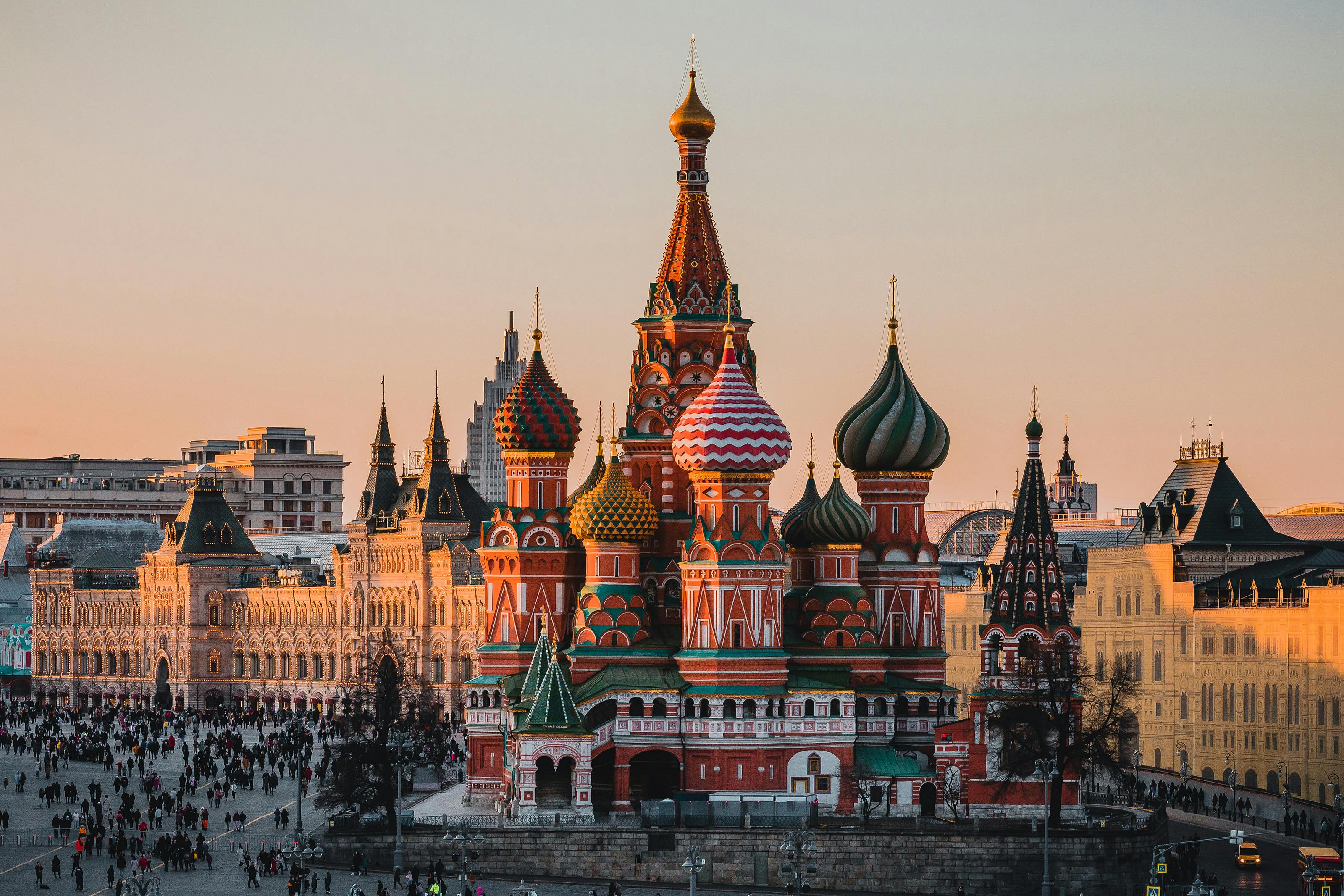
In recent years, Russian nuclear arms control negotiations have been a hot topic in global politics. As one of the world's nuclear superpowers, Russia's position on global arms control agreements plays a crucial role in shaping international security dynamics.
Russia has historically been an active participant in arms control negotiations, dating back to the days of the Cold War. The arms control agreements signed between the United States and the Soviet Union were instrumental in reducing the risk of nuclear conflict and promoting strategic stability.
However, in recent years, Russia's stance on global arms control agreements has evolved amid escalating tensions with the West. The United States' withdrawal from the Intermediate-Range Nuclear Forces Treaty (INF) in 2019 marked a significant setback for arms control efforts, with Russia following suit shortly after.
Despite these challenges, Russia remains committed to pursuing arms control negotiations on its own terms. Russian officials have repeatedly emphasized the importance of maintaining a balance of power and ensuring mutual security interests in any future agreements.
Russia's strategic arsenal, which includes a diverse range of nuclear capabilities, plays a key role in shaping its negotiating position. From intercontinental ballistic missiles to submarine-launched ballistic missiles, Russia's nuclear arsenal is designed to deter potential adversaries and safeguard its national security interests.
Looking ahead, the prospects for Russian nuclear arms control negotiations remain uncertain. Tensions between Russia and the West, coupled with geopolitical rivalries and emerging security threats, pose formidable challenges to achieving meaningful arms control agreements.
Nevertheless, dialogue and diplomacy remain essential tools for addressing shared security concerns and building trust between nations. As Russia navigates the complex landscape of global arms control agreements, its willingness to engage in constructive negotiations will be crucial for promoting international peace and security.
Leave a Comment:
SEARCH
Recent News
- Zurich, Switzerland and Tunisia are two countries that are geographically distant but connected through various global issues and news events. Let's take a look at some of the recent news coming out of these two diverse locations.
- Zurich, Switzerland, is a popular destination for Russian expatriates looking to benefit from the city's high quality of life, economic stability, and well-developed infrastructure. However, relocating to Zurich from Russia means navigating the complexities of both Swiss and Russian taxation systems.
- Zurich, Switzerland has long been known for its exceptional quality of life, beautiful surroundings, and high standard of healthcare. In contrast, the Russian healthcare system has faced various challenges and struggles over the years. Let's delve into the differences between the healthcare systems in Zurich, Switzerland, and Russia.
- Zurich, Switzerland is known for its picturesque landscapes, thriving financial sector, and strategic location in Europe. Lately, the city has been making headlines for its involvement in Russian energy deals. These deals have sparked controversy and drawn attention from various stakeholders around the world.
- Zurich, Switzerland, is renowned for its picturesque landscapes, vibrant culture, and thriving economy. However, thousands of kilometers away in Russia, agriculture plays a crucial role in the country's economy and food production.
- Zurich, Switzerland and Moscow, Russia may be miles apart geographically, but they are both major players in the world of venture capital. In recent years, both cities have seen a surge in the number of venture capital firms operating within their borders, drawing in startups and investors from around the globe.
- Zurich, Switzerland and Moscow, Russia may seem like two very distant cities with different cultures and characteristics, but when it comes to startups, they share some common ground. Both cities have been steadily growing their startup ecosystems, attracting entrepreneurs, investors, and tech talent from around the world.
- Zurich, Switzerland and Moscow, Russia: A Comparison of Job Markets
READ MORE
10 months ago Category :

Zurich, Switzerland and Tunisia are two countries that are geographically distant but connected through various global issues and news events. Let's take a look at some of the recent news coming out of these two diverse locations.
Read More →10 months ago Category :

Zurich, Switzerland, is a popular destination for Russian expatriates looking to benefit from the city's high quality of life, economic stability, and well-developed infrastructure. However, relocating to Zurich from Russia means navigating the complexities of both Swiss and Russian taxation systems.
Read More →10 months ago Category :

Zurich, Switzerland has long been known for its exceptional quality of life, beautiful surroundings, and high standard of healthcare. In contrast, the Russian healthcare system has faced various challenges and struggles over the years. Let's delve into the differences between the healthcare systems in Zurich, Switzerland, and Russia.
Read More →10 months ago Category :
