Understanding the Russian Privatization Program for State-Owned Enterprises
Category : Russian Privatization of State-Owned Enterprises | Sub Category : Russia Privatization Program for State-Owned Enterprises Posted on 2025-02-02 21:24:53
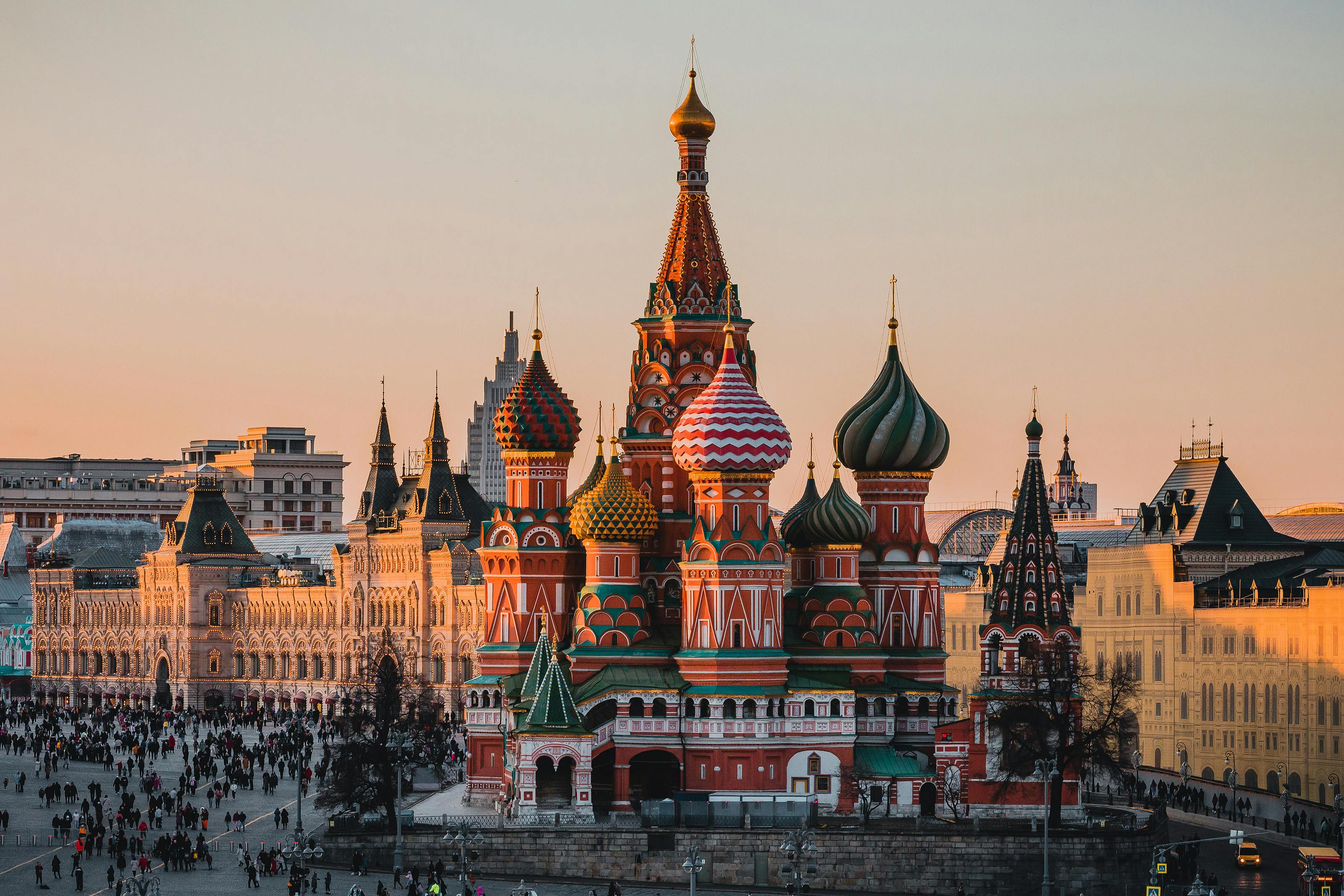
Understanding the Russian Privatization Program for State-Owned Enterprises
Privatization of state-owned enterprises has been a key component of economic reforms in many countries, including Russia. The Russian privatization program has been a significant effort to transition the economy from a state-controlled system to a market-oriented one. In this blog post, we will delve into the Russian privatization program for state-owned enterprises, its objectives, challenges, and impacts.
Objectives of the Russian Privatization Program:
The main objectives of the Russian privatization program for state-owned enterprises are to improve efficiency, stimulate investment, promote competition, and reduce the government's role in the economy. By transferring ownership and control of these enterprises to the private sector, the government aims to create a more dynamic and market-driven economy.
Challenges Faced in the Privatization Process:
The privatization process in Russia has not been without challenges. One of the main challenges is the lack of transparency and corruption, which have plagued many privatization deals. There have been instances of insider deals, asset stripping, and other forms of corruption that have raised concerns about the fairness and integrity of the privatization process.
Another challenge is the concentration of wealth and power in the hands of a few oligarchs who have amassed enormous fortunes through the privatization of state-owned enterprises. This has led to income inequality and has hindered the development of a more diversified and competitive economy.
Impacts of Privatization on the Russian Economy:
Despite the challenges, the privatization of state-owned enterprises in Russia has had some positive impacts on the economy. Privatization has led to increased efficiency and productivity in many sectors, as private owners have a greater incentive to innovate and cut costs to remain competitive.
Privatization has also attracted foreign investment and expertise, which has helped modernize industries and improve their competitiveness in the global market. Additionally, privatization has created opportunities for entrepreneurs and small businesses to flourish, contributing to job creation and economic growth.
In conclusion, the Russian privatization program for state-owned enterprises has been a key component of the country's economic reforms. While challenges such as corruption and inequality persist, privatization has brought about positive changes, including increased efficiency, investment, and competition. Moving forward, it will be important for Russia to address these challenges and ensure that the privatization process is carried out in a fair and transparent manner to reap the full benefits of a market-driven economy.
Leave a Comment:
SEARCH
Recent News
- Zurich, Switzerland and Tunisia are two countries that are geographically distant but connected through various global issues and news events. Let's take a look at some of the recent news coming out of these two diverse locations.
- Zurich, Switzerland, is a popular destination for Russian expatriates looking to benefit from the city's high quality of life, economic stability, and well-developed infrastructure. However, relocating to Zurich from Russia means navigating the complexities of both Swiss and Russian taxation systems.
- Zurich, Switzerland has long been known for its exceptional quality of life, beautiful surroundings, and high standard of healthcare. In contrast, the Russian healthcare system has faced various challenges and struggles over the years. Let's delve into the differences between the healthcare systems in Zurich, Switzerland, and Russia.
- Zurich, Switzerland is known for its picturesque landscapes, thriving financial sector, and strategic location in Europe. Lately, the city has been making headlines for its involvement in Russian energy deals. These deals have sparked controversy and drawn attention from various stakeholders around the world.
- Zurich, Switzerland, is renowned for its picturesque landscapes, vibrant culture, and thriving economy. However, thousands of kilometers away in Russia, agriculture plays a crucial role in the country's economy and food production.
- Zurich, Switzerland and Moscow, Russia may be miles apart geographically, but they are both major players in the world of venture capital. In recent years, both cities have seen a surge in the number of venture capital firms operating within their borders, drawing in startups and investors from around the globe.
- Zurich, Switzerland and Moscow, Russia may seem like two very distant cities with different cultures and characteristics, but when it comes to startups, they share some common ground. Both cities have been steadily growing their startup ecosystems, attracting entrepreneurs, investors, and tech talent from around the world.
- Zurich, Switzerland and Moscow, Russia: A Comparison of Job Markets
READ MORE
10 months ago Category :

Zurich, Switzerland and Tunisia are two countries that are geographically distant but connected through various global issues and news events. Let's take a look at some of the recent news coming out of these two diverse locations.
Read More →10 months ago Category :

Zurich, Switzerland, is a popular destination for Russian expatriates looking to benefit from the city's high quality of life, economic stability, and well-developed infrastructure. However, relocating to Zurich from Russia means navigating the complexities of both Swiss and Russian taxation systems.
Read More →10 months ago Category :

Zurich, Switzerland has long been known for its exceptional quality of life, beautiful surroundings, and high standard of healthcare. In contrast, the Russian healthcare system has faced various challenges and struggles over the years. Let's delve into the differences between the healthcare systems in Zurich, Switzerland, and Russia.
Read More →10 months ago Category :
