In Russia, religious freedom and the relationship between the church and the state have a long and complex history. The Russian Orthodox Church has played a significant role in the country's history and culture, and its ties to the government have evolved over time.
Category : Russian Religious Freedom and Church Relations | Sub Category : Church-State Relations in Russia Posted on 2025-02-02 21:24:53
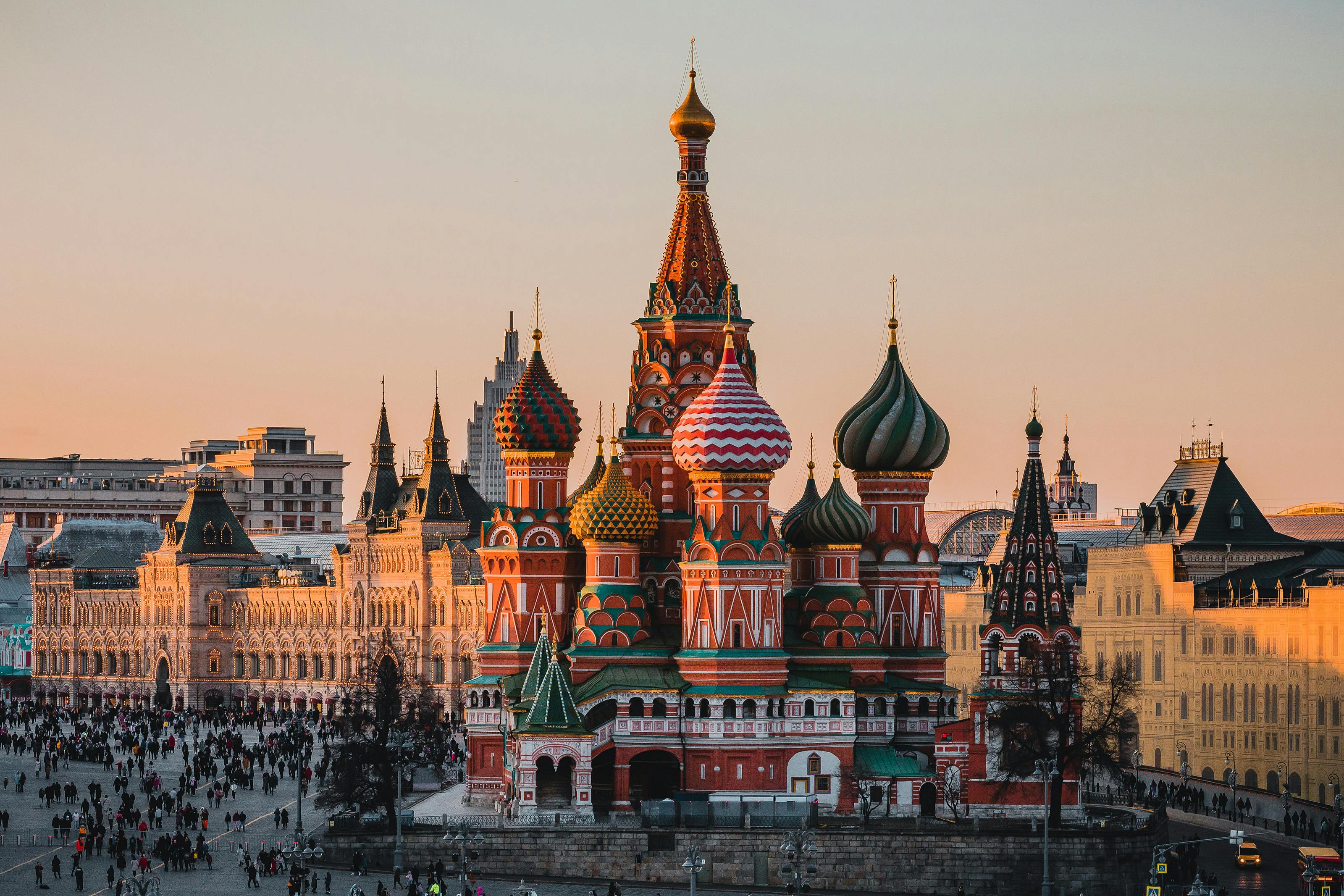
In Russia, religious freedom and the relationship between the church and the state have a long and complex history. The Russian Orthodox Church has played a significant role in the country's history and culture, and its ties to the government have evolved over time.
During the Soviet era, under communist rule, the Russian Orthodox Church faced severe persecution. Churches were closed, clergy were arrested, and religious practices were restricted. The state promoted atheism and sought to undermine the influence of the church in society.
With the fall of the Soviet Union in 1991, there was a resurgence of religious freedom in Russia. The government officially recognized the Russian Orthodox Church as an integral part of Russian culture and society. This recognition led to a closer relationship between the church and the state, with the church playing a more visible role in public life.
Today, the Russian Orthodox Church enjoys a privileged position in Russia. It has strong ties to the government, and the church's leaders often express support for government policies. This close relationship has raised concerns about the separation of church and state in Russia and the impact on religious freedom.
While the Russian Orthodox Church is the dominant religion in Russia, other religious groups also exist in the country. Despite constitutional guarantees of religious freedom, some minority religions face challenges, such as restrictions on building places of worship or distributing religious materials.
Overall, the relationship between the church and the state in Russia remains a complex and evolving issue. Balancing religious freedom with the influence of the Russian Orthodox Church in society poses challenges for the government and raises questions about the separation of church and state in the country.
Leave a Comment:
SEARCH
Recent News
- Zurich, Switzerland and Tunisia are two countries that are geographically distant but connected through various global issues and news events. Let's take a look at some of the recent news coming out of these two diverse locations.
- Zurich, Switzerland, is a popular destination for Russian expatriates looking to benefit from the city's high quality of life, economic stability, and well-developed infrastructure. However, relocating to Zurich from Russia means navigating the complexities of both Swiss and Russian taxation systems.
- Zurich, Switzerland has long been known for its exceptional quality of life, beautiful surroundings, and high standard of healthcare. In contrast, the Russian healthcare system has faced various challenges and struggles over the years. Let's delve into the differences between the healthcare systems in Zurich, Switzerland, and Russia.
- Zurich, Switzerland is known for its picturesque landscapes, thriving financial sector, and strategic location in Europe. Lately, the city has been making headlines for its involvement in Russian energy deals. These deals have sparked controversy and drawn attention from various stakeholders around the world.
- Zurich, Switzerland, is renowned for its picturesque landscapes, vibrant culture, and thriving economy. However, thousands of kilometers away in Russia, agriculture plays a crucial role in the country's economy and food production.
- Zurich, Switzerland and Moscow, Russia may be miles apart geographically, but they are both major players in the world of venture capital. In recent years, both cities have seen a surge in the number of venture capital firms operating within their borders, drawing in startups and investors from around the globe.
- Zurich, Switzerland and Moscow, Russia may seem like two very distant cities with different cultures and characteristics, but when it comes to startups, they share some common ground. Both cities have been steadily growing their startup ecosystems, attracting entrepreneurs, investors, and tech talent from around the world.
- Zurich, Switzerland and Moscow, Russia: A Comparison of Job Markets
READ MORE
10 months ago Category :

Zurich, Switzerland and Tunisia are two countries that are geographically distant but connected through various global issues and news events. Let's take a look at some of the recent news coming out of these two diverse locations.
Read More →10 months ago Category :

Zurich, Switzerland, is a popular destination for Russian expatriates looking to benefit from the city's high quality of life, economic stability, and well-developed infrastructure. However, relocating to Zurich from Russia means navigating the complexities of both Swiss and Russian taxation systems.
Read More →10 months ago Category :

Zurich, Switzerland has long been known for its exceptional quality of life, beautiful surroundings, and high standard of healthcare. In contrast, the Russian healthcare system has faced various challenges and struggles over the years. Let's delve into the differences between the healthcare systems in Zurich, Switzerland, and Russia.
Read More →10 months ago Category :
