A Look at the Development of Russian Stadiums and Arenas in Sports Infrastructure
Category : Russian Sports Infrastructure Development | Sub Category : Development of Russian Stadiums and Arenas Posted on 2025-02-02 21:24:53
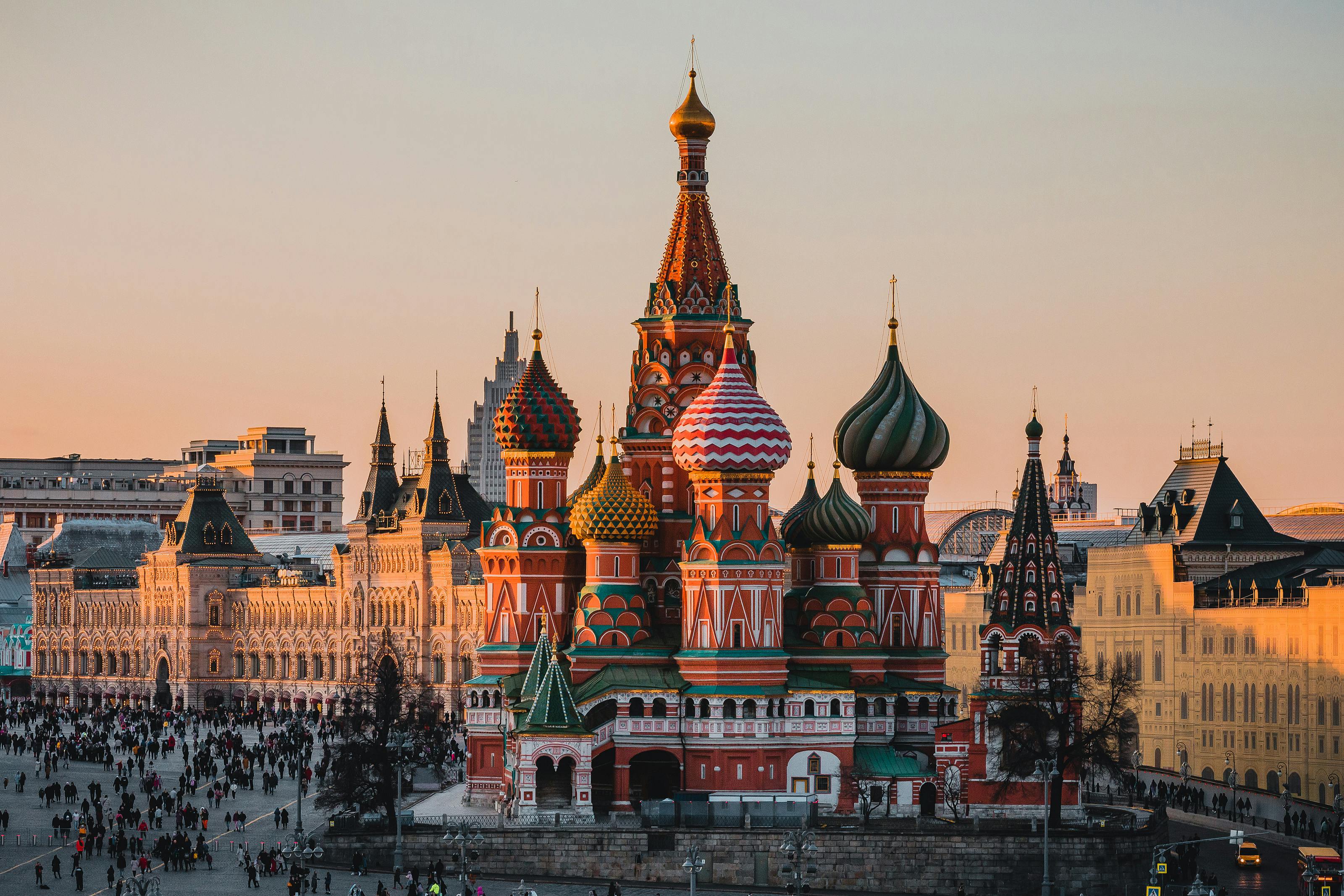
A Look at the Development of Russian Stadiums and Arenas in Sports Infrastructure
Russia has a rich history in sports, with a particular focus on football, ice hockey, and basketball. In recent years, the country has invested heavily in developing its sports infrastructure, including the construction and renovation of stadiums and arenas to meet international standards. This commitment to enhancing facilities has not only improved the spectator experience but has also helped elevate Russia's status as a host of major sporting events.
One of the most notable projects in Russian sports infrastructure development was the construction of stadiums for the 2018 FIFA World Cup, which was held in various cities across the country. The tournament provided a catalyst for the construction of modern, state-of-the-art stadiums that could accommodate large crowds and provide top-notch facilities for players and fans alike. The Luzhniki Stadium in Moscow, which hosted the final match of the World Cup, underwent a major renovation to increase its capacity and upgrade its amenities.
Aside from football stadiums, Russia has also focused on improving its ice hockey and basketball arenas. The Ice Palace in Saint Petersburg, home to the Kontinental Hockey League team SKA Saint Petersburg, is a prime example of a world-class ice hockey venue. Similarly, the Megasport Arena in Moscow has become a hub for basketball events, hosting international tournaments and matches for the CSKA Moscow basketball team.
The development of Russian stadiums and arenas is not just about hosting major events; it also serves as a catalyst for promoting sports participation and fostering a sense of community. Many of these modern facilities are designed to be multi-functional, hosting a variety of sports and recreational activities beyond the traditional events they were built for. This versatility allows the venues to be utilized year-round, maximizing their impact on the local population.
Furthermore, the development of sports infrastructure in Russia has also contributed to the country's economy by attracting tourism and generating revenue from ticket sales, sponsorships, and merchandise. Major sporting events held in state-of-the-art venues have helped showcase Russia as a premier destination for sports enthusiasts and have boosted the country's international profile.
In conclusion, the development of Russian stadiums and arenas represents a significant investment in sports infrastructure that has had far-reaching benefits for the country. By building world-class facilities that meet international standards, Russia has not only enhanced its ability to host major sporting events but has also contributed to the growth of sports at the grassroots level. As the country continues to prioritize sports development, we can expect to see even more impressive stadiums and arenas emerge, further solidifying Russia's position as a global sports powerhouse.
Leave a Comment:
SEARCH
Recent News
- Zurich, Switzerland and Tunisia are two countries that are geographically distant but connected through various global issues and news events. Let's take a look at some of the recent news coming out of these two diverse locations.
- Zurich, Switzerland, is a popular destination for Russian expatriates looking to benefit from the city's high quality of life, economic stability, and well-developed infrastructure. However, relocating to Zurich from Russia means navigating the complexities of both Swiss and Russian taxation systems.
- Zurich, Switzerland has long been known for its exceptional quality of life, beautiful surroundings, and high standard of healthcare. In contrast, the Russian healthcare system has faced various challenges and struggles over the years. Let's delve into the differences between the healthcare systems in Zurich, Switzerland, and Russia.
- Zurich, Switzerland is known for its picturesque landscapes, thriving financial sector, and strategic location in Europe. Lately, the city has been making headlines for its involvement in Russian energy deals. These deals have sparked controversy and drawn attention from various stakeholders around the world.
- Zurich, Switzerland, is renowned for its picturesque landscapes, vibrant culture, and thriving economy. However, thousands of kilometers away in Russia, agriculture plays a crucial role in the country's economy and food production.
- Zurich, Switzerland and Moscow, Russia may be miles apart geographically, but they are both major players in the world of venture capital. In recent years, both cities have seen a surge in the number of venture capital firms operating within their borders, drawing in startups and investors from around the globe.
- Zurich, Switzerland and Moscow, Russia may seem like two very distant cities with different cultures and characteristics, but when it comes to startups, they share some common ground. Both cities have been steadily growing their startup ecosystems, attracting entrepreneurs, investors, and tech talent from around the world.
- Zurich, Switzerland and Moscow, Russia: A Comparison of Job Markets
READ MORE
10 months ago Category :

Zurich, Switzerland and Tunisia are two countries that are geographically distant but connected through various global issues and news events. Let's take a look at some of the recent news coming out of these two diverse locations.
Read More →10 months ago Category :

Zurich, Switzerland, is a popular destination for Russian expatriates looking to benefit from the city's high quality of life, economic stability, and well-developed infrastructure. However, relocating to Zurich from Russia means navigating the complexities of both Swiss and Russian taxation systems.
Read More →10 months ago Category :

Zurich, Switzerland has long been known for its exceptional quality of life, beautiful surroundings, and high standard of healthcare. In contrast, the Russian healthcare system has faced various challenges and struggles over the years. Let's delve into the differences between the healthcare systems in Zurich, Switzerland, and Russia.
Read More →10 months ago Category :
